October 21, 2026
A new driveway changes the way your home looks and functions, but many homeowners feel uncertain about what actually happens once the crew arrives. Knowing the steps ahead of time helps you prepare your property, plan around the work, and ask smart questions before the project begins. A quality asphalt service follows a clear sequence, and each stage plays a role in how well your driveway holds up through harsh winters, heavy vehicles, and daily wear. Below, we walk you through what to expect from the first site visit to the final finishing touches, so you can approach your installation with confidence. We also explain why professional crews make such a difference at every step, since shortcuts during installation often show up later as cracks, puddles, and premature breakdown.
Assessing Your Property and Planning the Project
Every successful installation starts with a thorough evaluation of your property. During this visit, a professional asphalt service team measures the area, examines the existing surface, and checks how water moves across your lot. Drainage matters more than most homeowners realize, because standing water seeps into the base and weakens the driveway from below. The crew also looks at soil conditions, slopes, and any trees or structures near the planned edges.
This stage gives you a chance to discuss your goals. You might want to widen the driveway for an extra vehicle, extend it toward a garage, or add a custom shape that complements your landscaping. A good contractor explains your options, outlines the timeline, and provides a detailed quote so you know exactly what the project includes. Before the crew arrives, move vehicles, clear away planters or decorations near the work zone, and let your neighbors know about the upcoming activity. A little preparation on your end helps installation day run smoothly from start to finish.
Removing the Old Surface and Grading the Site
If you have an existing driveway, the crew removes it first. Workers break up the old asphalt, concrete, or gravel with heavy equipment and haul the debris away. This stage can get loud, so plan to keep pets and children indoors while the machines run.
Once the old material clears out, grading begins. The crew shapes the soil to create a gentle slope that directs water away from your home's foundation and toward the street or a drainage area. Proper grading prevents puddles from forming on the finished surface and protects the base from moisture damage. An experienced asphalt service crew relies on precise measurements here, because even a slight error in pitch can lead to pooling water or uneven settling down the road. Your contractor should also confirm that the grade works with nearby walkways and landscaping. Workers then compact the soil underneath, since loose dirt shifts over time and causes dips and cracks in the pavement above. This groundwork may not look impressive, but it sets the stage for everything that follows.
Building a Strong, Stable Base
The base layer serves as the true foundation of your driveway. After grading, the crew spreads crushed stone or aggregate across the prepared soil and compacts it with a heavy roller. In our experience, a well-built base typically measures between four and eight inches deep, depending on soil conditions and the weight of the vehicles that will use the driveway.
This layer distributes the weight of cars, trucks, and delivery vans evenly so the asphalt above doesn't crack under pressure. It also allows water to drain through rather than collect beneath the surface. Some contractors try to save time and money by skimping on the base, which often leads to sinking, potholes, and early failure. A reputable asphalt service never cuts corners at this stage. Before moving on, many crews perform a proof roll, driving heavy equipment across the base to reveal any soft spots that need extra attention. Fixing weak areas now saves you from costly repairs later.
Laying and Compacting the Fresh Asphalt
Once the base passes inspection, the exciting part begins. Trucks deliver hot asphalt mix to your property, and the crew spreads it evenly across the base with a paving machine, or by hand in tighter areas. Timing matters during this step, because asphalt must stay hot enough to work with and compact properly. Professional crews move quickly and efficiently to keep the material at the right temperature. Hand tools help them smooth out seams and tight corners that larger machines can't reach.
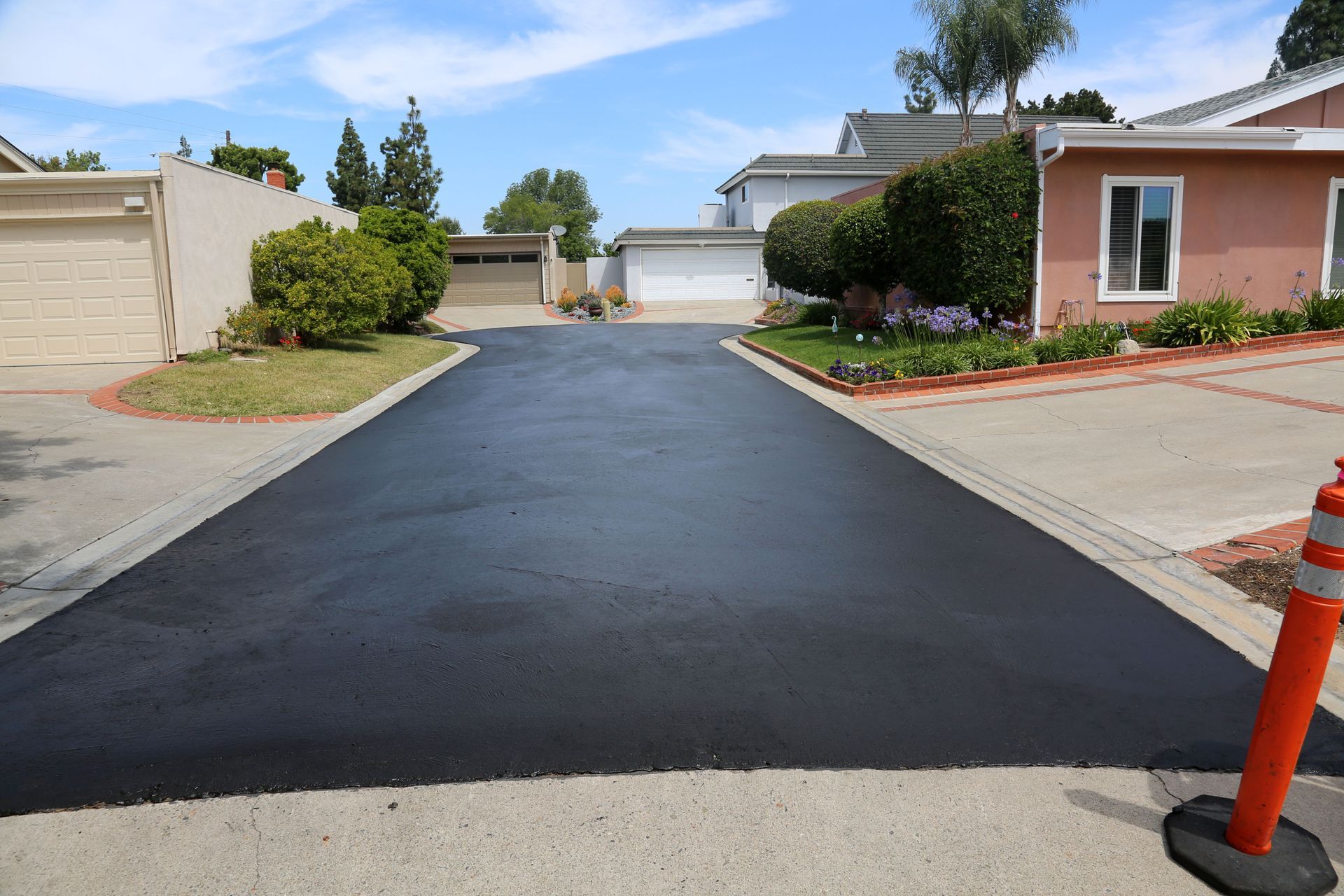
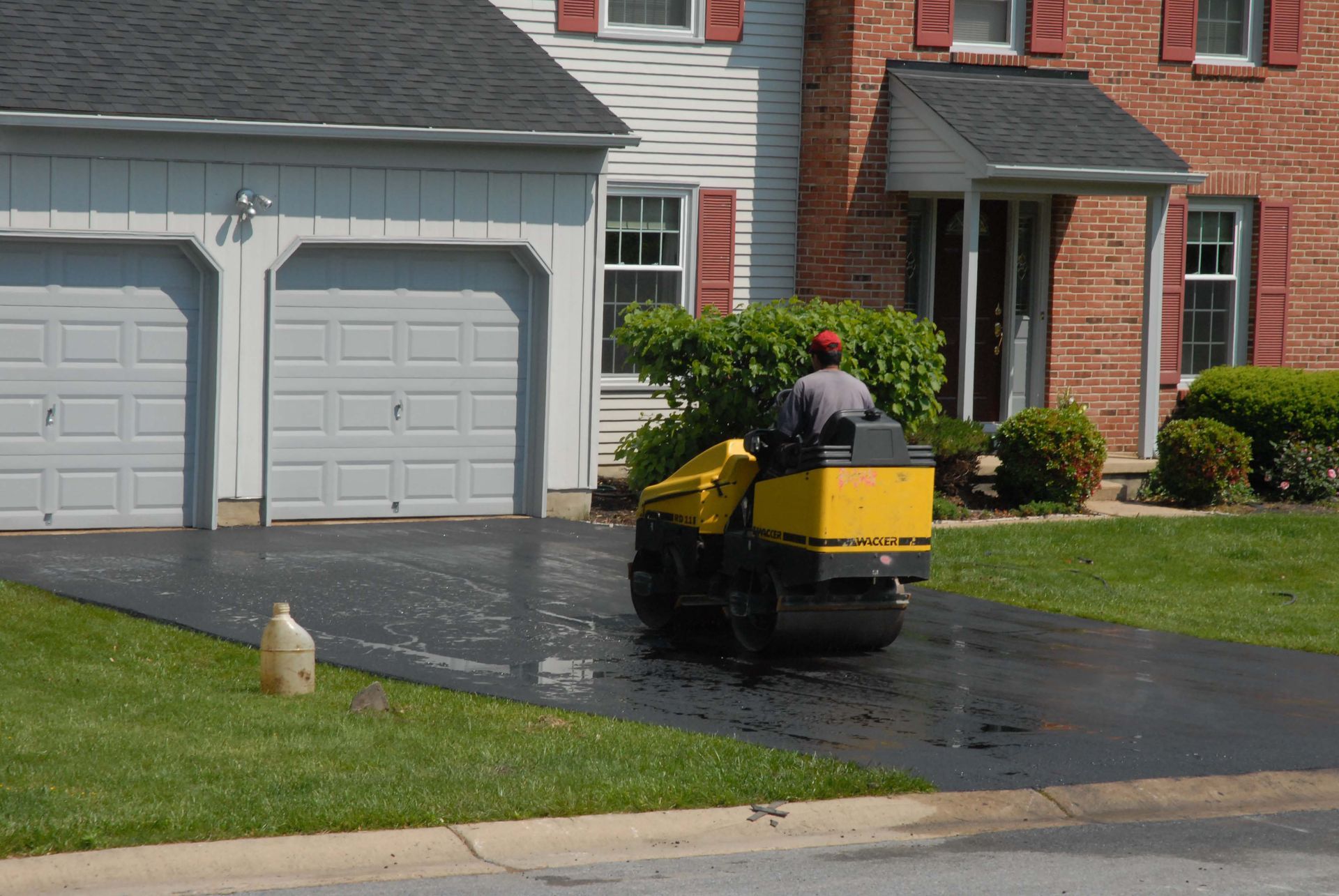
Next, a heavy roller compresses the asphalt to create a dense, smooth surface. Compaction removes air pockets, strengthens the pavement, and helps it resist water penetration. Workers pay close attention to edges and transitions where the driveway meets the street, garage floor, or sidewalk, since these areas take on a lot of stress. A skilled asphalt service team also checks the slope one last time to make sure water runs off the finished surface. Depending on your driveway's size, this stage often wraps up within a single day, and you'll notice the dramatic transformation right away.
Allowing the Driveway Time to Cure
Your new driveway may look finished, but the asphalt still needs time to harden fully. Fresh asphalt remains soft and vulnerable to damage for a while after installation. In our experience, you should keep vehicles off it for at least three days, and longer during hot weather. Foot traffic usually becomes safe sooner, but your asphalt service provider will give you specific guidance for your project.
During the curing period, avoid turning your steering wheel while your car sits still, since this can leave scuffs and divots. Keep heavy objects like trailers, motorcycle kickstands, and lawn equipment off the surface, as they can sink into the soft material. Try to vary where you park during the first few months as well. In our experience, asphalt continues to cure for six to 12 months, so treating your driveway gently during this window helps it stay smooth and level for years.
Protecting Your Investment for Years to Come
A new driveway represents a significant investment, and regular maintenance helps you get the most from it. According to This Old House, an asphalt driveway can provide 15 to 20 years of service when homeowners keep up with routine sealing. Sealcoating forms a protective barrier that shields the surface from UV rays, water, oil spills, and the freeze-thaw cycles that cause cracks over time.
Professionals typically recommend waiting until the asphalt fully cures before applying the first coat of sealer. After that, regular resealing keeps the surface looking dark and fresh while preventing small problems from growing into major repairs. Between sealing appointments, you can help by sweeping away debris, cleaning up automotive fluid spills promptly, and addressing small cracks before water seeps in. Scheduling a professional asphalt service for periodic inspections also helps you catch issues early. A little ongoing care goes a long way toward preserving your driveway's appearance, strength, and value.
Understanding each stage of an asphalt driveway installation helps you set realistic expectations and recognize the signs of quality workmanship. From the initial assessment to the final pass of the roller, every step contributes to a surface that looks great and performs well for years. Choosing the right asphalt service makes all the difference, since professional crews have the equipment, materials, and know-how to build a driveway that lasts.
If you're ready for a new driveway, we're here to help. At Black Stone Paving & Sealcoating, our family-owned team handles every detail, from base preparation and grading to installation and sealcoating, and we guarantee quality on all our work. Reach out to us today for a fast, free quote on your next asphalt service project!